Usability vs Accessibility: The Missing Link
Check that all interactive elements meet WCAG 2.2 minimum touch target sizes.
Audit all touch targets for size compliance and adjust to meet WCAG 2.2 guidelines.
Summary
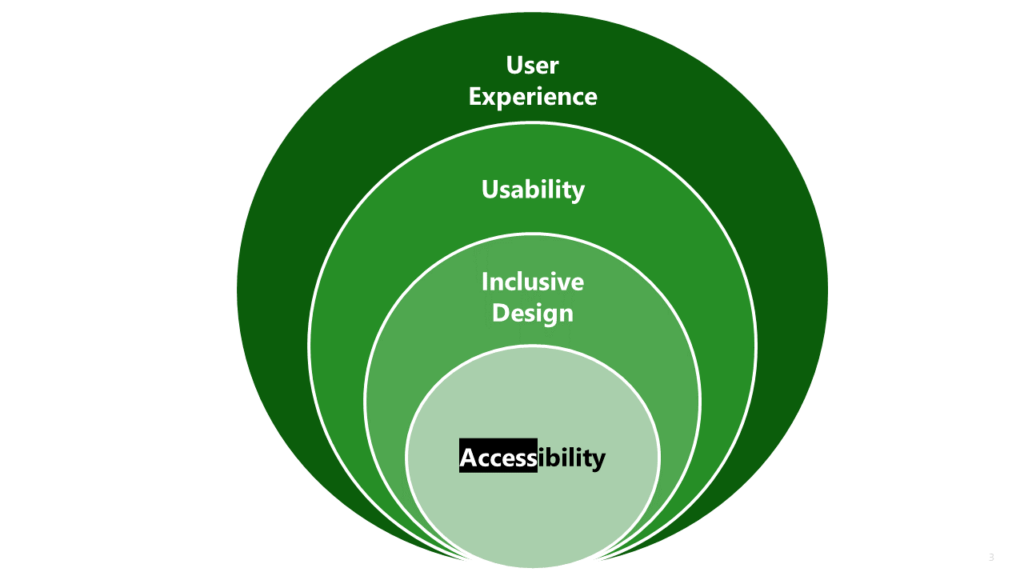
Usability, defined by ISO 9241‑11, measures how effectively a specified user can achieve goals in a specific context, assuming the user can actually interact with the interface. Accessibility is the prerequisite that ensures the product can be used by people across the widest range of abilities; without it, usability is meaningless. WCAG 2.2 recommends a minimum touch target of 44×44 px (enhanced) and 24×24 px (minimum), a requirement that benefits all users, including those with motor impairments. Fitts’s Law shows that small targets dramatically increase the difficulty for users with limited fine‑motor control, making a product unusable for them. Accessibility failures, such as low contrast or tiny buttons, render a product unusable for disabled users, undermining the entire user experience.
Key changes
- Usability defined by ISO 9241‑11 as context‑specific effectiveness.
- Accessibility is prerequisite for usability, ensuring all users can interact.
- WCAG 2.2 recommends minimum touch target 44×44 px (enhanced) and 24×24 px (minimum).
- Fitts law shows small targets inflate difficulty for users with motor impairments.
- Accessibility failures render a product unusable for disabled users, undermining usability.